How to Choose the Right Child Development Center: Questions to Ask

“Not all centers are the same—find the one that’s the right fit for your child.”

Choosing the right developmental support services for your child can be a daunting task. You want a center that not only provides excellent therapy but also understands and supports your child’s unique needs. With so many options out there, where do you even begin?

The American Psychological Association (APA) recommends that parents consider a few key factors when selecting a child development center. Here are the top questions you should ask before enrolling your child in any program:

📋 1. What is the experience of the staff?

Ask about the qualifications and experience of the staff members, including their education, training, and experience working with children with developmental delays. It’s important that the therapists have specialised training in early childhood development and the specific needs of your child.

🏢 2. What is the center’s approach to therapy?

Different centers have different methods and approaches. Some may offer a more structured, academic-focused environment, while others may have a more play-based approach. It’s essential to choose a center where the therapy approach aligns with your child’s personality and needs.

🤝 3. How will the center involve parents in the process?

Effective therapy programs recognise the importance of parental involvement. Ask how the center plans to communicate with you about your child’s progress. Is there a system in place for regular updates? Will you be included in the development of your child’s therapy goals?

📅 4. What is the schedule and flexibility?

Consider how the center’s hours fit with your daily routine. Do they offer flexible scheduling options to accommodate your work and personal life? Some centers offer after-school or weekend sessions, which may be essential if you are a working parent.

🌱 5. What additional support services are offered?

It’s important to ask about any additional services the center offers, such as speech therapy, special education, or social skills training. Does the center provide a comprehensive approach to address all aspects of your child’s development?

We offer a comprehensive range of services, including speech therapy, occupational therapy, and special education support, all under one roof.

Choosing the right center is critical to ensuring that your child gets the best start. At Child Development Center By Alpine First Step, we offer a supportive, compassionate environment that provides personalised care for each child’s unique needs.


Read More

Balancing Work and Therapy: A Parent’s Guide to Managing It All

“The juggling act of parenting, work, and therapy doesn’t have to be overwhelming.”

As a parent of a child with developmental delays or special needs, you often find yourself trying to balance therapy sessions, school schedules, work commitments, and daily family life. It can feel like a never-ending juggling act, and it’s easy to feel overwhelmed.

According to the National Parent Teacher Association (PTA), 43% of working parents of children with development delays report high levels of stress due to the added demands of therapy schedules and appointments. While it may feel challenging, with the right strategies, you can manage your child’s therapy needs while maintaining your career and home life.

Here are some tips for balancing it all:

📝 1. Create a Structured Routine

A predictable daily routine helps your child—and you—know what to expect. When therapy sessions are part of the schedule, it reduces last-minute stress and ensures you’re never caught off guard.

  • Set clear times for therapy that you can realistically work into your day.
  • Build downtime into your routine so your child and you don’t feel rushed or overwhelmed.

🏠 2. Use Flexible Therapy Options

Many programs, including those offered by Child Development Center By Alpine First Step, offer after-school or weekend therapy sessions. Additionally, in-home therapy services or teletherapy (virtual therapy) may be available. Check with your local therapy providers for options that best fit your work schedule.

🤝 3. Delegate When Possible

Share responsibilities with your partner, family members, or close friends. You don’t have to carry the burden alone—ask for help when it’s needed. Many working parents report that the support of extended family or trusted friends is essential for managing therapy schedules.

🧘‍♀️ 4. Practice Self-Care

It’s important to make time for yourself. Managing a child’s therapy needs while balancing work and personal life is draining. Take small moments for yourself—whether that’s going for a walk, having a quiet cup of coffee, or scheduling a relaxing evening.

👨‍👩‍👧‍👦 5. Connect with Supportive Parents

Reach out to other parents who are experiencing similar challenges. Parent support groups (online or in person) can offer a wealth of resources, advice, and emotional support. You’ll feel less isolated knowing others are going through the same thing.

Managing therapy alongside a full schedule is no easy feat. However, with the right tools, support, and a structured approach, you can create a balance that works for your family and career.

At Child Development Center By Alpine First Step, we understand the challenges parents face, which is why we offer flexible scheduling options and support for families in every stage of the therapy process.

Read More

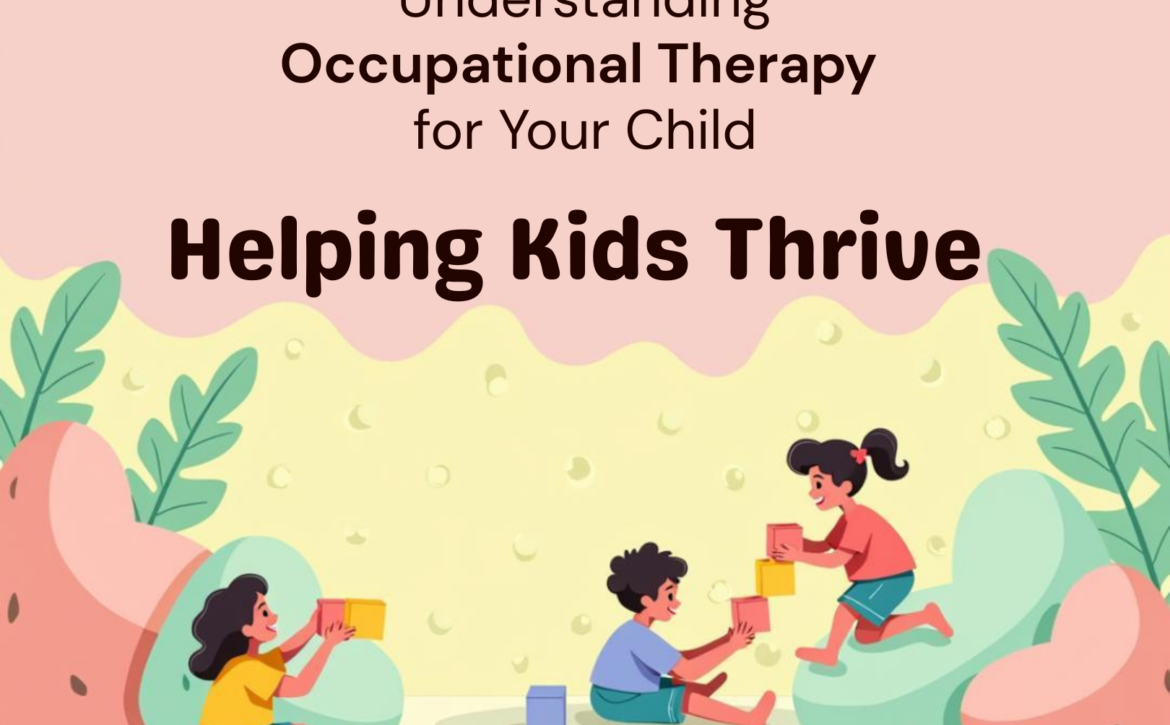
What Is Occupational Therapy and How It Can Help Your Child Thrive

“OT isn’t about jobs. It’s about life skills.”

Occupational therapy (OT) is a powerful tool in helping children with developmental delays or special needs. But what exactly is OT, and how does it help your child thrive?

While the name “occupational therapy” may sound like it’s related to jobs or work, it’s actually about helping children develop the skills they need to engage in daily activities, such as eating, dressing, and playing. OT is especially beneficial for children who face challenges in motor skills, sensory processing, and daily routines.

🎯 How Occupational Therapy Helps:

Children with developmental delays often face challenges in one or more of the following areas:

  • Fine Motor Skills: Difficulty holding a pencil, grasping toys, or manipulating small objects
  • Gross Motor Skills: Struggles with coordination, balance, or walking
  • Sensory Processing: Over or under-sensitivity to sounds, textures, or touch
  • Daily Life Skills: Challenges in feeding themselves, dressing, or following a routine

OT uses play-based interventions to help children develop better coordination, emotional regulation, and independence. For example, a child may work on building fine motor skills by practicing tasks like buttoning shirts, using scissors, or stacking blocks.

✅ Key Benefits of OT for Children:

  • Improved fine motor coordination (writing, drawing, self-care tasks)
  • Better sensory regulation (less sensitivity to sounds, textures, or bright lights)
  • Increased independence in daily activities
  • Improved social skills and emotional regulation
  • Increased self-esteem as children feel more capable

📘 According to the American Occupational Therapy Association (AOTA), early OT intervention can significantly improve academic and social outcomes. Children who receive OT in early childhood are better equipped to succeed in school and develop social skills that will help them throughout their lives.

At Child Development Center ByAlpine First Step, our experienced occupational therapists work with children individually, creating personalized treatment plans that align with the child’s unique needs. Therapy is integrated into your child’s daily routines, ensuring real-world results.

Read More

Your First Steps: What to Do When You Suspect Your Child Needs Support

“Trust your gut. It knows more than you think.”

Every parent worries about their child’s development at some point. But when those worries don’t go away, it’s important to know the next steps to take. If you’ve noticed signs of a developmental delay, it’s natural to feel uncertain or overwhelmed. The good news is, you don’t have to navigate this journey alone.

👣 Here’s a Simple Step-by-Step Guide to Follow:

  1. Document Your Observations:
    Before jumping into any decision-making, spend some time tracking your child’s behaviors. Record what you observe—anything from delayed speech to challenges in playing with peers. This data will be valuable when discussing your concerns with a professional.
  2. Talk to Your Pediatrician:
    Once you’ve gathered some observations, it’s time to have an open conversation with your pediatrician. Share your concerns, and request a developmental screening. These screenings help identify areas where your child may need support. Your pediatrician might refer you to a specialist for further evaluation.
  3. Seek a Multidisciplinary Evaluation:
    Depending on your child’s needs, you may be referred to specialists such as speech therapists, occupational therapists, or special education professionals. Alpine First Step CDC offers a holistic evaluation approach that includes therapists who collaborate to create a personalized plan for your child.
  4. Start Early Intervention Programs:
    Research consistently shows that early intervention improves outcomes in children with developmental delays. Programs like speech therapy, occupational therapy (OT), and special education services can help address delays early and equip your child with the skills they need to thrive.

Tip: The earlier you begin therapy, the better. Research shows that children who begin therapy before age 5 often show significant improvements in language, motor skills, and social interactions (Journal of Early Intervention).

At Alpine First Step CDC, we are here to help guide you through the process, offering personalized therapy plans tailored to each child’s unique needs. Don’t wait—early intervention sets the stage for lifelong success.

Read More
Alpine First Step April 30, 2025 0 Comments

Early Signs of Developmental Delays Every Parent Should Know

“Sometimes it’s not about worrying—it’s about watching.”

As parents, we all eagerly anticipate our child’s milestones—first smiles, first steps, and first words. But what if those milestones don’t come when expected? Understanding developmental delays can be overwhelming, but awareness is key.

Developmental delays are more common than you might think. According to the Centers for Disease Control and Prevention (CDC), about 1 in 6 children aged 3–17 years have some form of developmental disability, from speech and language delays to motor, social, and cognitive challenges.

🔍 Key Early Signs to Watch for :

  • Speech & Language Delays:
    • Not babbling by 12 months
    • Not using single words by 18 months
    • Limited vocabulary by 2 years, or trouble forming sentences by age 3
    • Difficulty following simple directions
  • Motor Skills Delays:
    • Trouble holding or manipulating objects
    • Difficulty crawling or walking by 18 months
    • Unsteady walking or difficulty climbing stairs after 2 years
  • Social/Emotional Delays:
    • Avoids eye contact or does not respond to their name
    • Limited interest in social play or interaction
    • Difficulty expressing emotions appropriately
  • Cognitive Delays:
    • Difficulty with problem-solving tasks or following instructions
    • Limited or no pretend play
    • Challenges in understanding cause and effect

🚨 Why Early Detection Matters:

Early intervention is the most effective way to address developmental delays. Studies show that the earlier children receive support, the better their chances of improving their skills in areas such as speech, motor coordination, and social interactions.

🎯 What Parents Can Do:


If you notice any of these early signs, don’t wait. Talk to your pediatrician about developmental screening. Many pediatricians conduct these screenings at regular check-ups, typically at 9, 18, and 30 months.

At Alpine First Step CDC, we help parents identify these early signs and offer programs designed to give children the best possible support at every stage of their development. Early awareness can set the stage for lifelong success.

Read More
Alpine First Step April 30, 2025 0 Comments

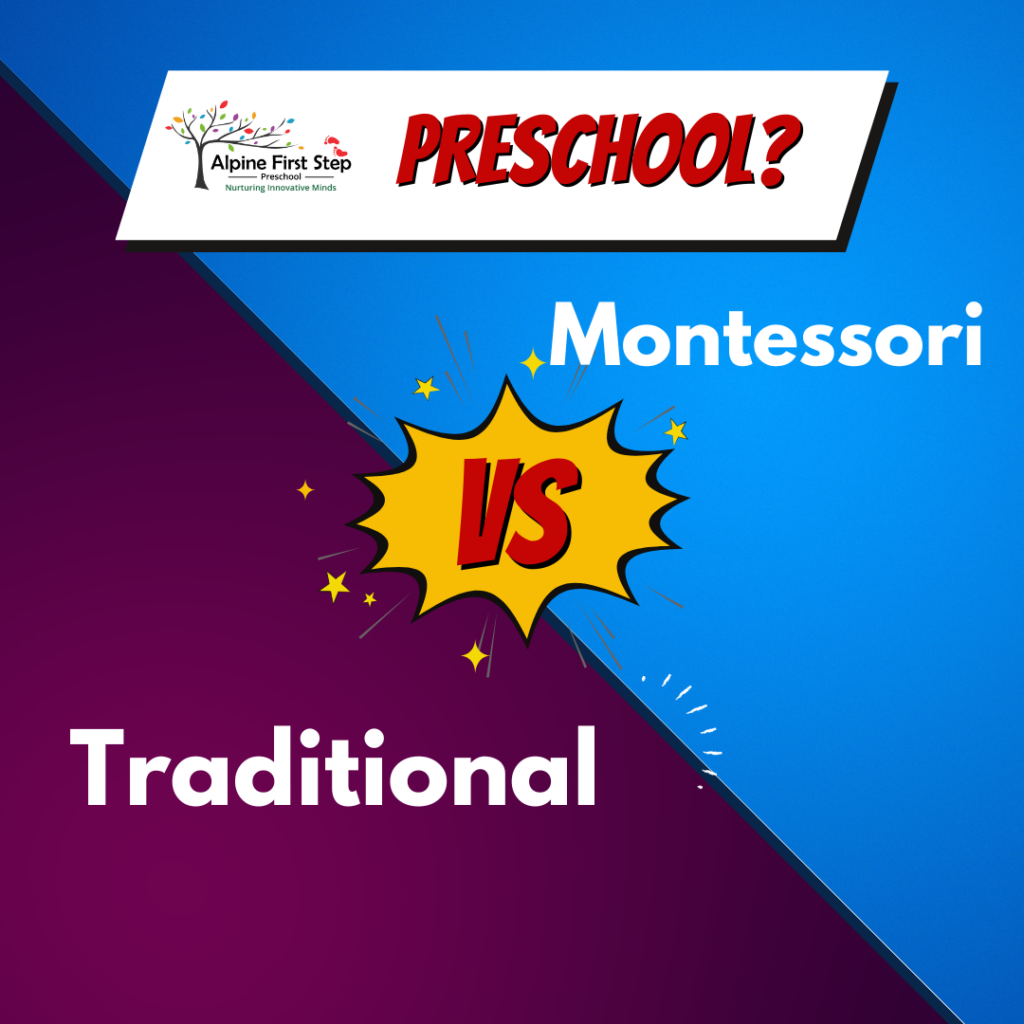
Montessori vs. Traditional Preschool ?

Choosing the right preschool for your child is one of the most important decisions you’ll make as a parent. With so many options available, the debate between Montessori vs. Traditional Preschool is a common one. Which approach is better for your child’s development? What makes Montessori different from conventional preschools? At Alpine First Step Preschool, one of the best preschools in Greater Noida, we believe informed choices lead to confident parenting.

In this blog, we’ll break down the differences between Montessori and Traditional Preschool models and help you determine which suits your child best.

Understanding the Montessori Approach

Developed by Dr. Maria Montessori in the early 1900s, the Montessori method is based on the principle of “learning by doing.” The approach encourages children to explore their natural curiosity in a structured yet flexible environment.

Key Features of Montessori Education:

✅ Child-Centered Learning – Children choose their activities based on interest, promoting independent learning.
✅ Hands-On Activities – Use of specially designed materials like sensory bins, puzzles, and sorting tools to develop fine motor skills.
✅ Mixed-Age Classrooms – Older children mentor younger peers, fostering collaboration and leadership.
✅ Self-Paced Learning – Each child progresses at their own speed, allowing personalized growth.
✅ Focus on Practical Life Skills – Encourages children to develop life skills such as tying shoelaces, pouring water, and organizing materials.

Pros of Montessori Education:

✔ Encourages creativity and critical thinking
✔ Builds independence and responsibility
✔ Provides a stress-free, self-paced learning environment
✔ Promotes intrinsic motivation instead of external rewards

Cons of Montessori Education:

✘ Less emphasis on structured group learning
✘ Can be more expensive due to specialized materials and training
✘ Might not be ideal for children who need strict guidance

Understanding the Traditional Preschool Approach

Traditional preschools follow a teacher-led curriculum where children are taught in a structured classroom setting. These schools are designed to prepare children for a formal school environment by focusing on academic subjects and social skills.

Key Features of Traditional Preschools:

✅ Structured Curriculum – Lessons follow a fixed syllabus with pre-planned activities.
✅ Teacher-Led Learning – Teachers direct the classroom, guiding children through each activity.
✅ Age-Based Classrooms – Children are grouped by age, ensuring lessons match their developmental stage.
✅ Emphasis on Group Learning – More structured social interaction through group games, storytelling, and recitation.
✅ Preparation for Primary School – Introduces children to alphabet, numbers, and basic reading and writing skills.

Pros of Traditional Preschool Education:

✔ Provides a structured routine that mimics formal schooling
✔ Encourages social skills through group activities
✔ Offers clear academic milestones for school readiness
✔ More widely available and affordable compared to Montessori schools

Cons of Traditional Preschool Education:

✘ Less flexibility for individual learning styles
✘ May put academic pressure on young children
✘ Memorization-based learning can reduce creativity

Montessori vs. Traditional: Which One is Right for Your Child?

There is no one-size-fits-all answer. The choice between Montessori vs. Traditional Preschool depends on your child’s personality and learning style.

✔ If your child enjoys independent exploration, hands-on activities, and self-paced learning, a Montessori preschool might be a better fit.
✔ If your child thrives in structured environments, enjoys group activities, and benefits from teacher-led instruction, a Traditional preschool is ideal.

“Education is not the filling of a pail, but the lighting of a fire.” – William Butler Yeats

At Alpine First Step Preschool, the best play school in Greater Noida, we blend the best aspects of Montessori and traditional learning, ensuring a balanced and child-centric curriculum. Our goal is to ignite curiosity, foster independence, and build a strong academic foundation for your child.

Final Thoughts

Both Montessori and Traditional preschools have their strengths. What matters most is choosing an environment that nurtures your child’s growth, curiosity, and confidence.

Still unsure about the best approach for your little one? Visit Alpine First Step Preschool in Greater Noida and experience our holistic learning environment firsthand!

📍 Location: Alpine First Step Preschool, Plot No: NS-79, Sector Zeta 1, Greater Noida, UP 201310
📞 Contact us today: +91 96677 92178
🌐 Website: www.alpinefirststep.in

Read More

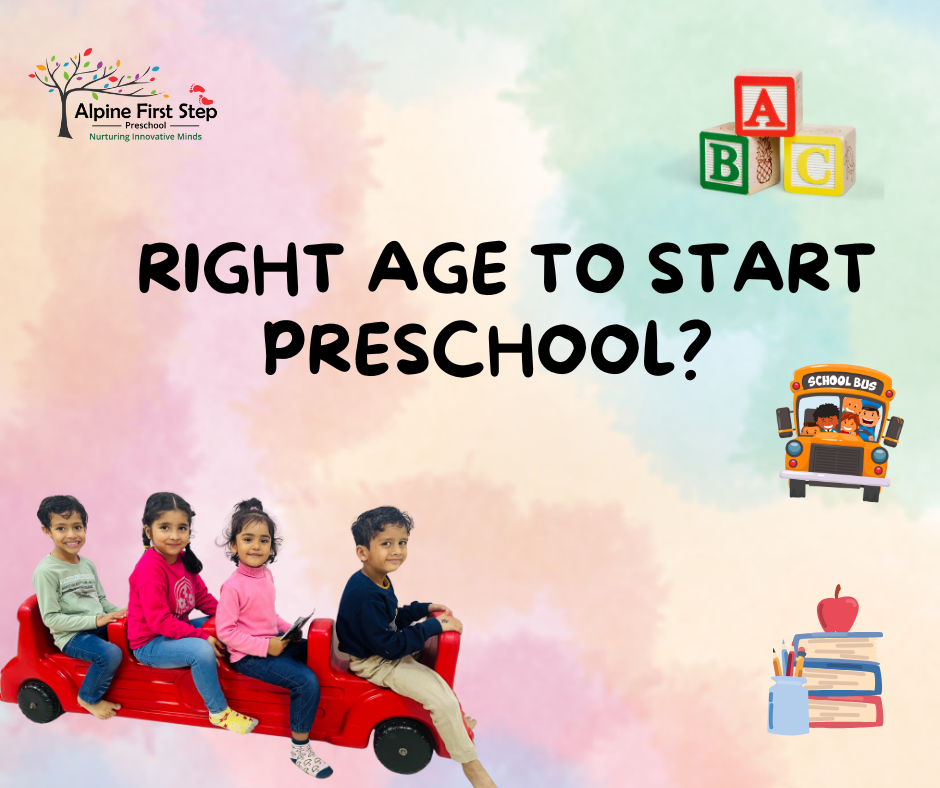
What Is the Right Age to Start Preschool?

Introduction

“Education is not the filling of a pail, but the lighting of a fire.” – William Butler Yeats

As parents, one of the most important decisions we make is choosing the right time for our child’s formal education. When should a child start preschool? Is there a scientific or developmental “right age” to enroll them?

At Alpine First Step Preschool, Greater Noida, we often guide parents through this important milestone. Let’s break down the ideal preschool age, its importance, and how to prepare your child for a smooth transition.

Understanding the Ideal Preschool Age

According to the National Education Policy (NEP) 2020, the right age for preschool admission in India is 3 years, with the preschool stage covering children between 3-6 years old.

Renowned child psychologist Jean Piaget classified early childhood into preoperational stages (ages 2-7), where children develop language, memory, and imagination. This makes 3-4 years the perfect time for structured learning.

Why 3-4 Years Is the Best Age for Preschool

  1. Cognitive Development
    • At 3-4 years, children develop problem-solving skills, early reasoning, and memory retention.
    • Harvard University’s Center on the Developing Child states that 90% of brain development occurs by age 5, making early years crucial.
  2. Social Readiness
    • This is the age when children begin understanding friendships, sharing, and teamwork.
    • Preschools teach children how to express emotions and communicate with others effectively.
  3. Independence and Routine Building
    • Children at this stage develop basic self-help skills like eating independently, using the washroom, and dressing up.
    • Preschool prepares them for the structured school environment.

Is My Child Ready for Preschool? A Quick Checklist

✅ Can they stay away from parents for short periods?
✅ Do they show curiosity about books, colors, and stories?
✅ Can they express basic needs (hunger, thirst, bathroom)?
✅ Are they comfortable playing with other kids?

If the answer is YES to most, your child is ready for preschool!

Common Concerns Parents Have

1. “What if my child isn’t potty trained?”

  • Most preschools help children become independent in hygiene habits.
  • It’s not a dealbreaker, but parents should begin basic training at home.

2. “My child is too shy. Will they adjust?”

  • Many introverted kids flourish in preschool due to structured social interaction.
  • Teachers encourage participation without pressuring children.

3. “Should I start early at 2 years?”

  • While 2 years is suitable for playgroups, formal preschool is best at 3+ years.
  • Enrolling too early can be overwhelming for some children.

How Alpine First Step Ensures a Smooth Start

At Alpine First Step Preschool, the best play school in Greater Noida, we ensure that:

✔️ Our curriculum is based on Montessori, play-based, and experiential learning.
✔️ Teachers provide individual attention to every child’s needs.
✔️ We focus on gentle separation techniques to make the transition easy.
✔️ Our environment is safe, warm, and engaging, making kids love coming to school.

Final Thoughts

Starting preschool is a major milestone, and the right age matters. By age 3-4, kids are cognitively, socially, and emotionally ready to take their first step toward formal learning.

As Dr. Maria Montessori famously said:
“Early childhood education is the key to the betterment of society.”

Read More

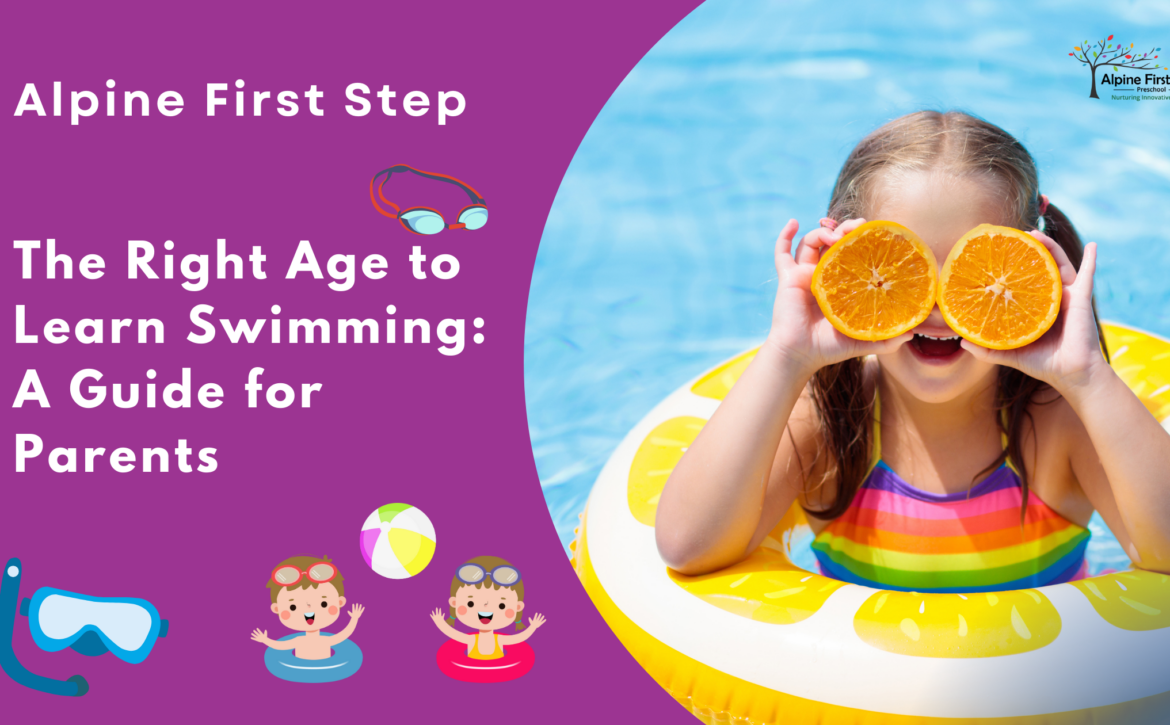
The Right Age to Learn Swimming: A Guide for Parents

Swimming is an essential life skill that not only ensures safety but also promotes physical fitness and confidence in children. As a parent, you may wonder, “What is the right age for my child to start learning to swim?” At Alpine First Step (AFS), we emphasise early learning through structured activities, including swimming, to promote holistic development.


When Should Children Start Learning to Swim?

1. Infant Water Familiarization (6 Months – 2 Years)

  • Babies as young as six months can start water familiarization with parental supervision.
  • Activities like splashing, floating with support, and gentle submersion can help them feel comfortable in water.
  • This stage is not about formal lessons but rather building water confidence and enjoyment.

2. Toddler Swim Lessons (2 – 4 Years)

  • Children can begin basic swimming lessons around age 2 to 4.
  • These lessons focus on floating, kicking, and safe water entry/exit.
  • Supervision remains crucial, and lessons should be play-based and fun to keep toddlers engaged.

3. Independent Swimming Skills (4 – 6 Years)

  • Between ages 4 and 6, children develop better coordination and strength, allowing them to learn basic strokes.
  • Most kids can start dog paddling, front floating, and back floating independently.
  • Enrolling in structured lessons at this stage builds confidence and safety awareness.

4. Advanced Swimming (6+ Years)

  • By age 6 and above, children are ready for formal stroke techniques, including freestyle, backstroke, and breaststroke.
  • They also learn water survival skills, such as treading water and floating without support.
  • Regular practice helps improve endurance, coordination, and overall fitness.

Benefits of Learning to Swim at an Early Age

1. Water Safety Awareness

  • Early exposure to swimming reduces the risk of drowning and teaches children how to stay safe in and around water.

2. Physical and Motor Skill Development

  • Swimming enhances strength, balance, and coordination, contributing to overall physical fitness.

3. Boosts Confidence and Independence

  • Overcoming water fears and mastering new skills instills a sense of achievement and self-confidence.

4. Social and Emotional Growth

  • Group lessons promote social interaction, teamwork, and patience, essential for a child’s emotional development.

The right age to start swimming varies for every child, but introducing them to water early builds confidence, safety awareness, and motor skills. Whether your child is a beginner or ready to refine their strokes, Alpine First Step provides the perfect environment to help them thrive in the and learn.

📍 Visit Us: Sector Zeta-1, Near Purvanchal Heights, Greater Noida
📞 Call/WhatsApp: +91 96677 92178
🌐 Website: www.alpinefirststep.in

Give your child the gift of swimming this summer—a skill for life! 🌊💙

Read More
Alpine First Step March 30, 2025 0 Comments

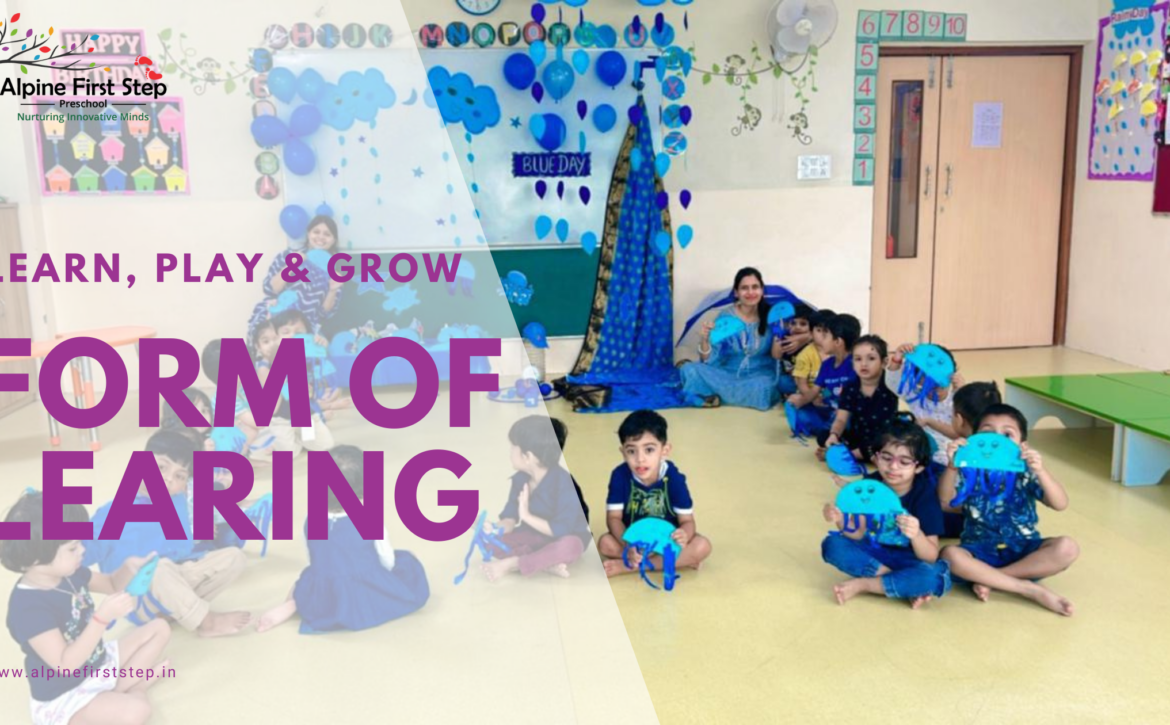
Play, Learn, and Grow: The Foundation of Early Childhood Development At Alpine First Step

The early years of a child’s life are crucial for their overall development. A strong foundation in learning, social interaction, and motor skills can make a significant difference. At Alpine First Step, recognised as the best play school in Greater Noida, we focus on a Play, Learn, and Grow approach to nurture young minds.


The Importance of Play in Early Childhood

1. Play as a Learning Tool

Play is not just about fun—it’s an essential way for children to explore the world around them. Through activities like puzzles, building blocks, and role-playing, children develop cognitive skills, creativity, and problem-solving abilities.

2. Social and Emotional Growth

Interacting with peers during play helps children build social skills, teamwork, and emotional intelligence. They learn values like sharing, patience, and empathy, which play a key role in personality development.

3. Physical Development Through Active Play

Running, jumping, and engaging in outdoor activities help children improve their motor skills, balance, and coordination. At Alpine First Step, we ensure a safe and engaging environment for physical activities to keep children active and healthy.


Learning Through Play: A Holistic Approach

1. Structured vs. Free Play

At Alpine First Step, we offer a balance of structured play (guided activities) and free play (self-directed exploration) to encourage creativity and independent thinking.

2. Montessori-Based Learning

Our curriculum incorporates Montessori principles to foster independence, hands-on learning, and problem-solving skills in a fun and engaging way.

3. Language and Cognitive Skills Development

Activities like storytelling, phonics, and interactive games help children develop early literacy and numeracy skills, preparing them for formal schooling.


Grow with Confidence at Alpine First Step

1. A Safe and Nurturing Environment

As the best play school in Greater Noida, we provide a secure and stimulating environment where children feel confident to explore, learn, and grow.

2. Expert Faculty and Child-Centered Approach

Our experienced educators focus on each child’s unique needs, ensuring personalized attention and support.

3. A Community of Learning

We encourage parental involvement in our programs, creating a strong partnership between home and school to enhance a child’s learning journey.


Conclusion: A Bright Future Begins Here

Early childhood education is the stepping stone to a lifelong love for learning. At Alpine First Step, we are dedicated to providing a joyful, engaging, and enriching experience where children Play, Learn, and Grow every day.

📍 Visit Us: Sector Zeta-1, Near Purvanchal Heights, Greater Noida
📞 Call/WhatsApp: +91 96677 92178
🌐 Website: www.alpinefirststep.in

Give your child the best start in life with Alpine First Step – where learning meets fun!

Read More
Alpine First Step March 28, 2025 0 Comments

 How to Choose the Right Preschool for Your Child

Selecting a preschool is a significant milestone in a child’s early education and a crucial decision for parents. A good preschool not only lays the foundation for academic learning but also nurtures emotional, social, and physical growth. Here’s an informative guide to help you make the best choice for your little one.

—

 Key Considerations When Choosing a Preschool

1. Location and Safety 

Opt for a preschool close to your home or workplace for convenience. Check for safe surroundings, traffic control, and proper security measures to ensure your child’s well-being.

2. Hygiene and Infrastructure 

Ensure the preschool meets high hygiene standards, with regular sanitization, safe child-friendly infrastructure, and well-maintained play areas. 

3. Curriculum and Learning Approach 

Look for a preschool offering a child-centric, play-based curriculum that balances learning and fun. It should cover key developmental areas like cognitive, emotional, and creative skills while preparing your child for primary education. 

4. Qualified and Caring Teachers 

Teachers are central to a preschool’s success. Choose a school with trained, experienced, and empathetic educators who foster a nurturing and stimulating environment.

5. Class Size and Attention 

Smaller class sizes with a low teacher-child ratio ensure personalized attention and better participation from children, helping them thrive in a supportive setting.

6. Communication and Parent Involvement 

Choose a preschool that keeps you informed about your child’s progress and encourages your active involvement through regular updates, meetings, and parent-teacher collaboration.

7. Reputation and Reviews 

Seek recommendations from other parents and online reviews to understand the preschool’s quality, environment, and overall reputation.

—

 Why Alpine First Step Preschool Stands Out

At Alpine First Step Preschool, we understand how critical these early years are for your child’s development. Here’s how we ensure a top-notch preschool experience: 

– Location: Our Greater Noida campus provides a safe, secure, and accessible environment. 

– Hygiene & Infrastructure: We maintain state-of-the-art facilities, sanitised play areas, and classrooms tailored to young learners. 

– Curriculum: Our play-based learning approach encourages creativity, critical thinking, and curiosity. 

– Staff: Our team of experienced, passionate educators ensures individual attention for every child. 

– Communication: We maintain open lines with parents, ensuring complete transparency including counselling and one to one parent teacher sessions on monthly basis.

—

 Frequently Asked Questions About Play-Based Learning

1. What is play-based learning? 

Play-based learning involves structured and unstructured play activities that encourage children to explore, learn, and develop critical skills in a fun, interactive way. 

2. How does play-based learning benefit children? 

It promotes cognitive, emotional, and social development while fostering creativity, critical thinking, and problem-solving skills. 

3. What is Alpine First Step’s approach to play-based learning? 

Our curriculum integrates hands-on activities, storytelling, art, and sensory play to create a stimulating learning environment tailored to each child’s needs. 

4. At what age should my child start play-based learning? 

Play-based learning can begin as early as age 2, offering children a foundation for exploration, collaboration, and growth. 

5. How do parents support play-based learning at home? 

Parents can extend learning by engaging in creative activities like puzzles, storytelling, or art projects that mirror the preschool’s approach. 

—

 FAQ About Alpine First Step’s Child Development Center 

1. What programs does the Child Development Center offer? 

Our center provides speech therapy, occupational therapy, and specialized programs to support holistic child development for any delays which might concern the parents.

2. How do I know if my child needs therapy services? 

Our team assesses each child’s developmental milestones and offers individualised plans based on their unique needs. Apart from that, parents themselves can notice and share with our team if they feel intervention is required.

3. Are the staff qualified? 

Yes, all therapists at Alpine First Step are highly trained and experienced in early childhood development. They are also RCI registered and have required qualifications.

4. How can I enroll my child? 

You can visit our campus in Greater Noida or contact us directly to inquire about admission procedures. 

—

 Conclusion

Choosing the right preschool is an investment in your child’s future. By considering factors like safety, curriculum, teacher qualifications, and reputation, you can ensure your child has a nurturing and stimulating start. At Alpine First Step Preschool, we are committed to creating a joyful and impactful early learning experience for every child. Visit us today and take the first step toward a brighter future!

Read More
Alpine First Step November 27, 2024 1 Comment
Book a tour
close slider

    We believe children learn by building on the knowledge they already have – primarily exhibited through play. Teachers help children learn by creating a rich environment to explore via exciting educational activities.

    Which care days do you require?
    MondayTuesdayWednesdayThursdayFridaySaturday

    Desired Start Date