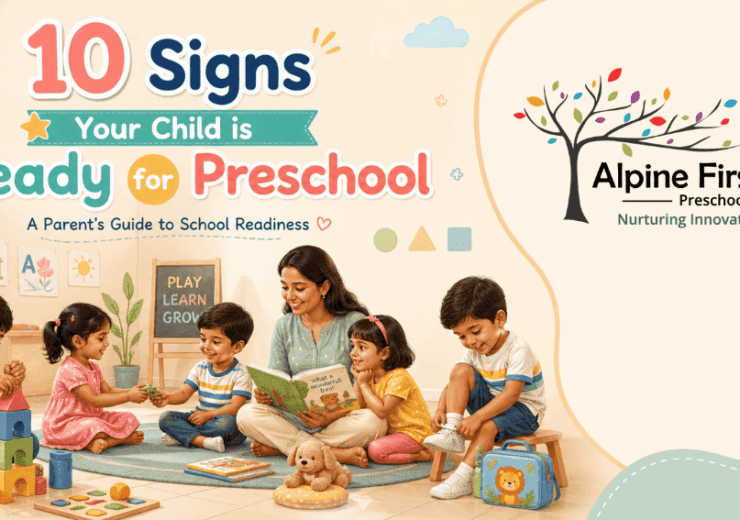
10 Signs Your Child is Ready for Preschool

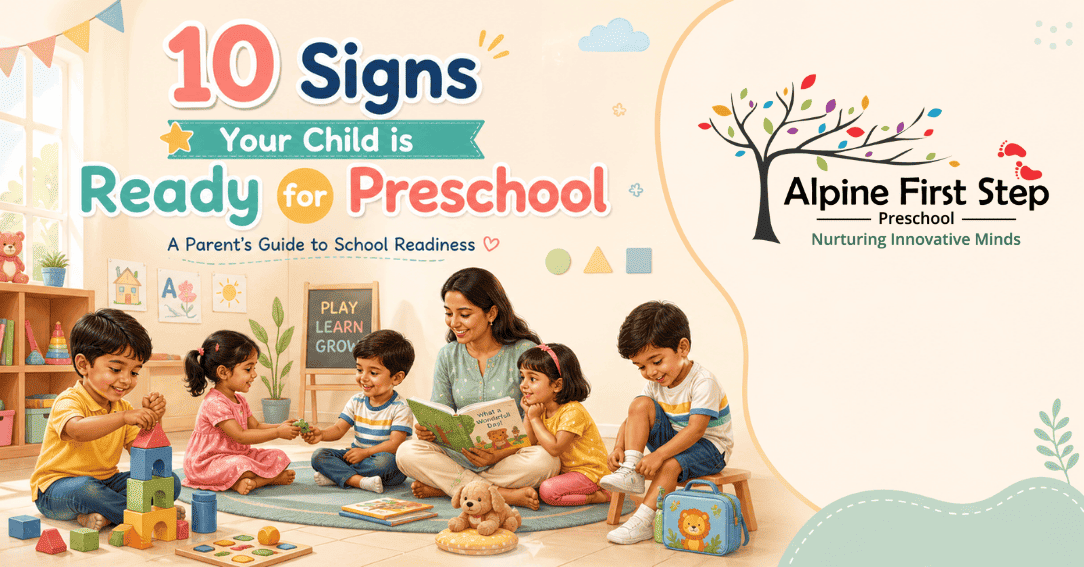
Starting preschool is a milestone that sparks both excitement and uncertainty for parents. You’re probably asking yourself: Is my child actually ready?
Here’s the thing—readiness isn’t just about age. While most children start preschool between 2.5 and 4 years old, developmental readiness matters far more than the number of candles on their birthday cake. A child who is three might thrive immediately, while another the same age might benefit from a few more months at home.
This guide breaks down the 10 clearest signs of preschool readiness, explains what each looks like in practice, and offers simple ways to strengthen any areas where your child might need a little more support.
What Does “Preschool Readiness” Actually Mean?
Preschool readiness refers to whether your child has developed the social, emotional, cognitive, and physical skills needed to participate in a structured learning environment. It’s not a test to pass or fail—it’s a combination of observable abilities that help children settle into classroom routines, interact with peers, and engage with early learning activities.
The four key domains are:
- Emotional readiness — managing separations, expressing feelings, calming down with support
- Social readiness — interacting with other children, sharing, participating in group activities
- Cognitive readiness — curiosity, following simple instructions, basic problem-solving
- Physical and self-care readiness — toileting progress, dressing skills, fine and gross motor abilities
When several of these skills are developing, your child is likely ready to benefit from a quality preschool programme.
The 10 Signs Your Child is Ready for Preschool
1. They Can Handle Short Separations Without Prolonged Distress
Some tears at drop-off are completely normal—even expected. What matters is whether your child can recover within a few minutes and engage with the environment once you leave.
What to look for:
- Calms down shortly after you say goodbye
- Accepts comfort from other trusted adults
- Understands that you will return
If they’re not quite there yet: Practice brief separations with a grandparent, family friend, or trusted neighbour. Start with 15–30 minutes and gradually extend the time. A consistent goodbye ritual (“two hugs and a wave”) helps build predictability.
2. They Show Interest in Other Children
Preschool is fundamentally a social experience. Children who are ready typically show curiosity about other kids—watching them at the park, wanting to join games, or talking about wanting friends.
What to look for:
- Engages in parallel play (playing alongside other children)
- Attempts to share or take turns, even with reminders
- Shows excitement around peers
If they’re not quite there yet: Arrange short, structured playdates with one child at a time. Guide them through turn-taking with prompts like “your turn, then their turn.” Keep it low-pressure.
3. They Can Communicate Basic Needs
Your child doesn’t need perfect speech to start preschool. What matters is the ability to express basic needs—hunger, thirst, needing the toilet, wanting help—in a way that adults outside the family can understand.
What to look for:
- Uses words, short phrases, or consistent gestures to communicate
- Responds to simple questions like “Do you want more?” or “Do you need help?”
- Can indicate when they need to use the bathroom
If they’re not quite there yet: Practice naming needs at home. When they point or gesture, model the words: “You’re thirsty? Say ‘water please.'” Many children experience significant language growth once immersed in a language-rich preschool environment.
4. They Can Follow Simple Instructions
Preschool classrooms run on routines and directions. A child who can follow one or two-step instructions at home—”Put your shoes by the door” or “Wash your hands and come to the table”—is developing the listening skills needed for a classroom setting.
What to look for:
- Follows simple directions with minimal repetition
- Understands “first we do this, then we do that”
- Responds to group instructions during play
If they’re not quite there yet: Play games like Simon Says or give simple tasks during daily routines. Break instructions into single steps at first, then gradually combine them.
5. They Show Curiosity and Interest in Learning
One of the strongest readiness signals is natural curiosity. Does your child ask questions constantly? Explore their environment? Return to books and puzzles again and again?
What to look for:
- Asks “why” and “what’s that” questions
- Shows interest in books, stories, and pictures
- Engages with discovery play—building, sorting, experimenting
If they’re not quite there yet: Build a daily reading habit, even just 5–10 minutes. Use open-ended questions during play: “What do you think will happen?” “What do you notice?” Create simple discovery activities like sink-or-float experiments with household objects.
6. They Can Focus on an Activity for Short Periods
Children don’t need to sit still for long stretches to be ready for preschool. But the ability to focus on a single activity—a puzzle, a story, building with blocks—for 5–10 minutes indicates developing attention skills.
What to look for:
- Sits through a short picture book
- Completes a simple puzzle or activity without immediately abandoning it
- Engages in imaginative play for several minutes
If they’re not quite there yet: Reduce distractions during focused activities. Sit with them during puzzles or drawing, offering encouragement but letting them lead. Gradually extend the time as their stamina builds.
7. They’re Developing Basic Self-Care Skills
Independence in basic self-care helps children feel confident and reduces disruptions during the preschool day. This includes progress with toileting, feeding themselves, and attempting to dress.
What to look for:
- Uses the toilet independently or is actively potty training
- Feeds themselves with a spoon or fork
- Attempts to put on shoes, coats, or pull up pants (even with help needed)
If they’re not quite there yet: Build self-care into daily routines. Let them practise pulling up pants, washing hands, and feeding themselves—even if it’s messier or slower. Many preschools expect children to be working toward these skills, not to have mastered them completely.
Note: Toilet training policies vary by preschool. At Alpine First Step Pre-School, teachers understand that many children are still developing these skills and provide patient, supportive guidance during the transition.
8. They Can Calm Down With Adult Support
No toddler has perfect emotional control. Readiness means your child can calm down with help from an adult—responding to comfort, using a simple calming strategy, and recovering after a meltdown.
What to look for:
- Responds to soothing from caregivers
- Can be redirected after a tantrum
- Beginning to use words for feelings (“I’m sad” or “I’m mad”)
If they’re not quite there yet: Model naming emotions: “You look frustrated. It’s hard when the tower falls down.” Practice calming routines together—deep breaths, counting to five, hugging a soft toy. Consistency builds the skill over time.
9. They Have Basic Safety Awareness
Preschool requires simple safety understanding—responding when an adult says “stop” or “wait,” and recognising basic dangers.
What to look for:
- Responds to safety cues like “stop” and “come here”
- Shows awareness of dangers (hot things, roads, heights)
- Follows basic safety rules with reminders
If they’re not quite there yet: Practice safety routines during daily life—stopping at the kerb, waiting before crossing, following instructions at the playground. Keep it matter-of-fact rather than fear-based.
10. They Show Interest or Excitement About Preschool
Children express enthusiasm in different ways. Some talk about school, others point at backpacks or show curiosity about older kids heading off in the morning. This emotional openness signals readiness for a new experience.
What to look for:
- Talks positively about school or learning
- Shows interest in school-related items (backpacks, lunchboxes, books about school)
- Asks questions about what happens at preschool
If they’re not quite there yet: Read picture books about starting preschool. Talk about it positively and casually. If possible, visit the school together so the environment becomes familiar before the first day.
Quick Readiness Checklist for Parents
Use this table to reflect on your child’s development across the key areas:
| Area | Signs of Readiness |
| Separation | Manages short separations; calms within minutes |
| Social skills | Shows interest in other children; attempts sharing |
| Communication | Expresses basic needs; can be understood by adults outside the family |
| Following directions | Follows 1–2 step instructions |
| Curiosity | Asks questions; engages with books and discovery play |
| Attention | Focuses on an activity for 5–10 minutes |
| Self-care | Working toward independent toileting, feeding, dressing |
| Emotional regulation | Calms with adult support; beginning to name feelings |
| Safety awareness | Responds to safety cues like “stop” |
| Interest in school | Shows curiosity or excitement about preschool |
You don’t need to check every box. If your child shows progress in most of these areas—even imperfectly—they’re likely ready to benefit from preschool.
What If Your Child Isn’t Ready Yet?
That’s completely fine. Every child develops on their own timeline.
Here’s how to support readiness at home:
- Practice short separations with trusted family members or friends
- Create predictable routines for meals, naps, and play
- Encourage playdates to build social comfort
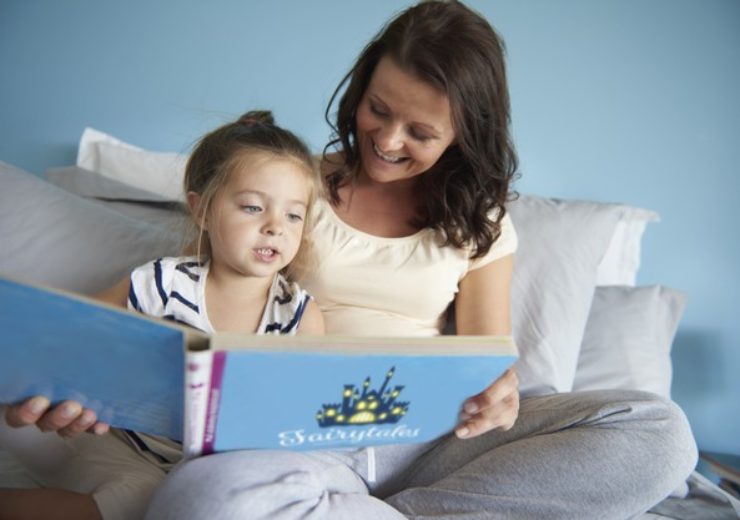
- Read together daily to strengthen attention and language
- Build self-care habits into everyday moments
- Play “preschool” at home—practise circle time, snack time, and cleanup
A few months of targeted support can make a meaningful difference.
How to Prepare for the First Day
Once you’ve decided your child is ready:
- Visit the school together before the first day so faces and spaces feel familiar
- Practice your morning routine for at least two weeks beforehand
- Read books about starting school to help them understand what to expect
- Create a goodbye ritual that’s short, warm, and consistent
- Start with shorter days if the preschool allows a gradual transition
At Alpine First Step Pre-School, we understand that every child arrives with different strengths and needs. Our teachers are trained to support children through the transition with patience, warmth, and developmentally appropriate guidance—whether your child walks in confidently on day one or needs a little extra time to settle.
Frequently Asked Questions
What age should a child start preschool?
Most children begin between ages 2.5 and 4, but developmental readiness matters more than a specific birthday. Focus on the signs above rather than the calendar.
Does my child need to be fully potty trained?
Policies vary. Many preschools, including Alpine First Step Pre-School, expect children to be working toward toilet independence rather than fully trained. Ask about specific requirements during your visit.
What if my child is shy or introverted?
Shy children absolutely thrive in preschool. Look for programmes with small class sizes and experienced teachers who understand different temperaments. A quality programme meets your child where they are.
Should I choose full-day or half-day?
This depends on your child’s stamina and your family’s needs. Half-day can be a gentler start; full-day allows deeper engagement. Many families begin with shorter days and extend as their child adjusts.
How do I know if a preschool is high quality?
Look for qualified teachers, low child-to-teacher ratios, a warm and responsive environment, clear communication with families, and a curriculum that balances structured learning with play. Visiting in person is the best way to assess fit.
Take the Next Step
If your child is showing several of these readiness signs, now is a great time to explore your options.
At Alpine First Step Pre-School, we’re committed to giving every child a confident, joyful start to their learning journey. Our approach combines structured early learning with the warmth and flexibility that young children need to thrive.
Schedule a visit to see our classrooms, meet our teachers, and discover whether Alpine First Step is the right fit for your family.
This guide was created to help parents understand preschool readiness and make informed decisions for their children. For more resources on early childhood development and preparing for preschool, visit Alpine First Step Pre-School.